COMING SOON: Website under construction. Check back in Later

Autism is not a broken version of a neurotypical brain.
It is a different system — with its own logic, needs, and strengths.
Understanding begins with using the right language.
What is Autism?
Instead of asking “What is Autism?”, consider asking, “What does Autism feel like from the inside?”
Most explanations describe Autism from the outside looking in. This page shows you what it actually is happening from the inside out.
Autism re-defined
Autism is a neurotype difference. It is a different way the brain processes the world. For example, the autistic mind processes the following differently:
Social information (prefers explicit, direct communication and authentic, deep connection over broad social networks)
Sensory input (highly attuned to sounds, textures, environments)
Patterns & predictability (often needs routine, structure, and sameness to help regulate the nervous system, as unexpected change can be deeply dysregulating)
Attention & focus (tends toward deep, singular concentration; difficulty shifting between tasks, which is the flip side of intense focus)
These are not deficits, but rather differences in processing systems. This processing style often comes with strengths like pattern recognition, honesty, loyalty, and deep expertise—though the world is not always built for it, which can lead to fatigue.
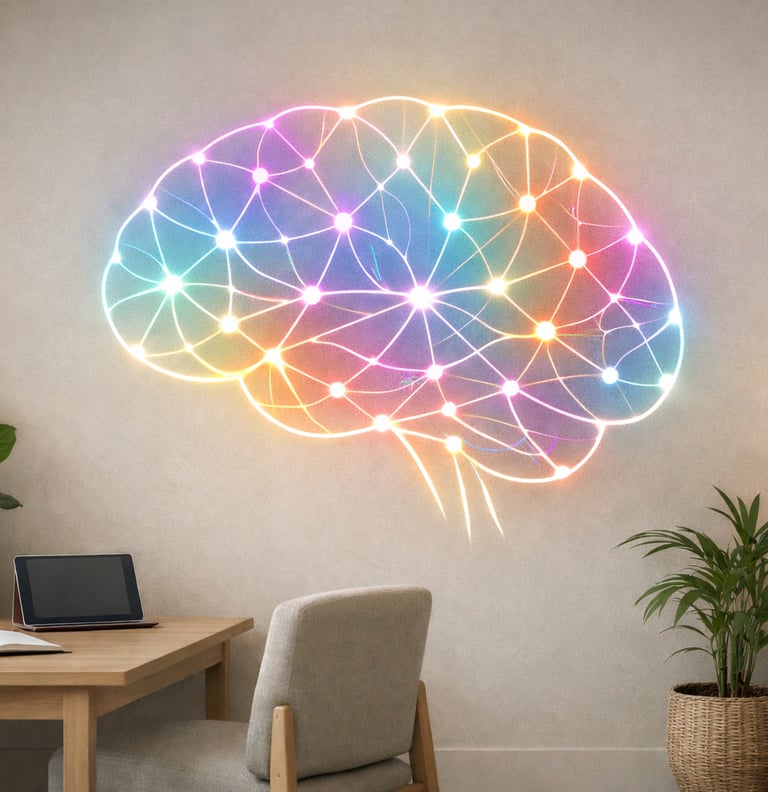
The problem isn’t the brain. It’s the language.
For years, Autism has been described using outside-in language — words that describe what others see, not what the person experiences.
That’s how we ended up with words like:
“rigid” • “lacks empathy” • “poor social skills”
These aren’t explanations. They’re interpretations.
When you change the language, you change the understanding.


Outside-in Label Vs Inside-Out Label
The Translation Gap
Social difficulty is often described as: “Autistic people don’t understand others.”
But what’s actually happening is:
Two different social systems trying to understand each other.
It’s not a deficit, but a translation gap.
Inside-out language explained in pictures

You are enough.
Autism and ADHD are not deficits of a neurotypical brain. They are a different operating system.
The problem with checklists, diagnoses, and clinical language is that they describe behavior from the outside. They measure. They compare. They miss the point entirely.
What they can't capture is the inner experience — what it actually feels like to live in a brain wired this way.
That's what this library is for.
Every image here is a translation. Not of symptoms, but of the real, daily, often invisible experience of being neurodivergent in a world that wasn't designed with you in mind.
Not every metaphor will be yours. Take what fits, leave what doesn't. Your experience is the authority here.
If something resonates — share it. With a partner, a parent, a friend, a therapist.
Because the goal isn't just to understand yourself. It's to finally be understood by the people who matter.


Feeling recharged? Go deeper. 👇
Deep Dive Into ADHD With Dr. Hoot's Mini-Courses
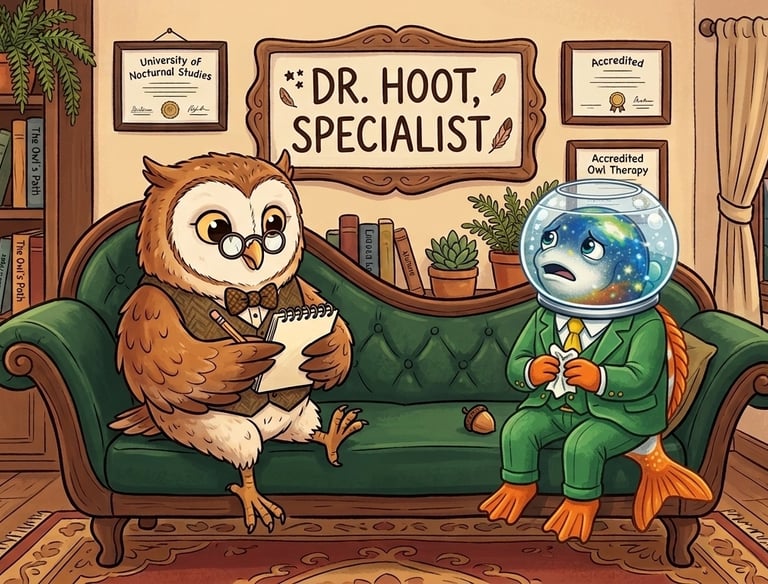
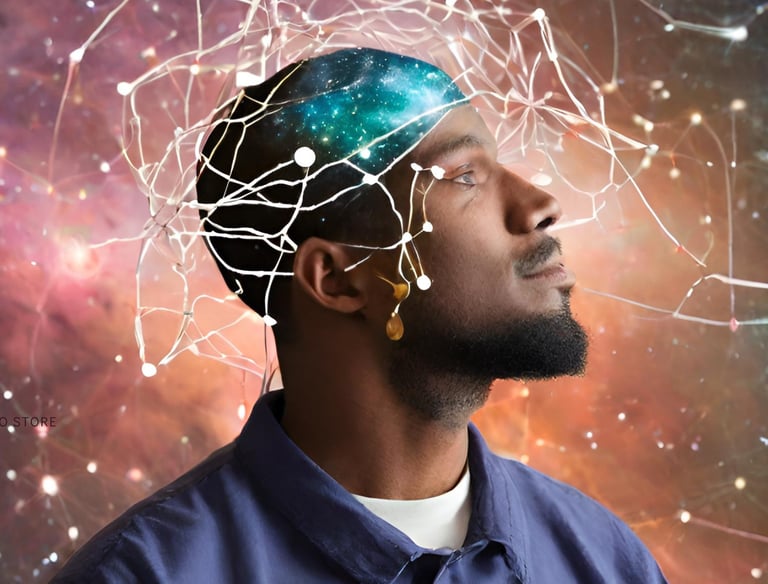


Mind Mastery Series ( coming soon)
Community (coming soon)
Recommended hubs for higher mental capacity days
Low mental capacity? Start Light
These hubs are perfect for those low capacity mental days.

Learn Au+DHD concepts while playing a game.




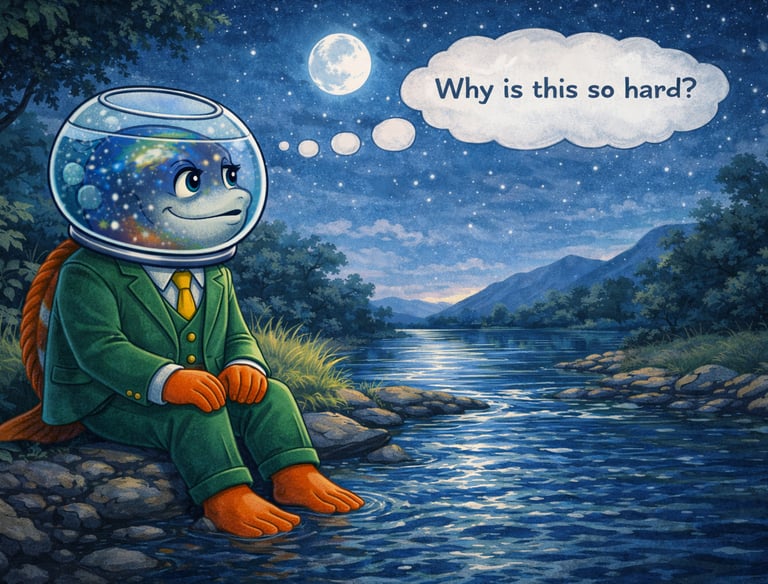
Toon Stories: The Journey Of Mr. Auddy Fish
Understand Au+DHD by following the life of Mr. Auddy Fish, a neurodivergent fish
An evidence based relaxation suite catered to the AU+DHD nervous system
Calm Rooms For Nervous System Reset
Join Our Mental Fitness Course
Unlock more resources, learn from others, make connections based on what fuels your passions.

“If you love someone with AuDHD and feel confused, this is your translation guide.”

Copyright @ TNAZ Designs & Services, LLC
“If you love someone with AU+ DHD (Autism, ADHD, and AuDHD) and feel confused, this is your translation guide.”